
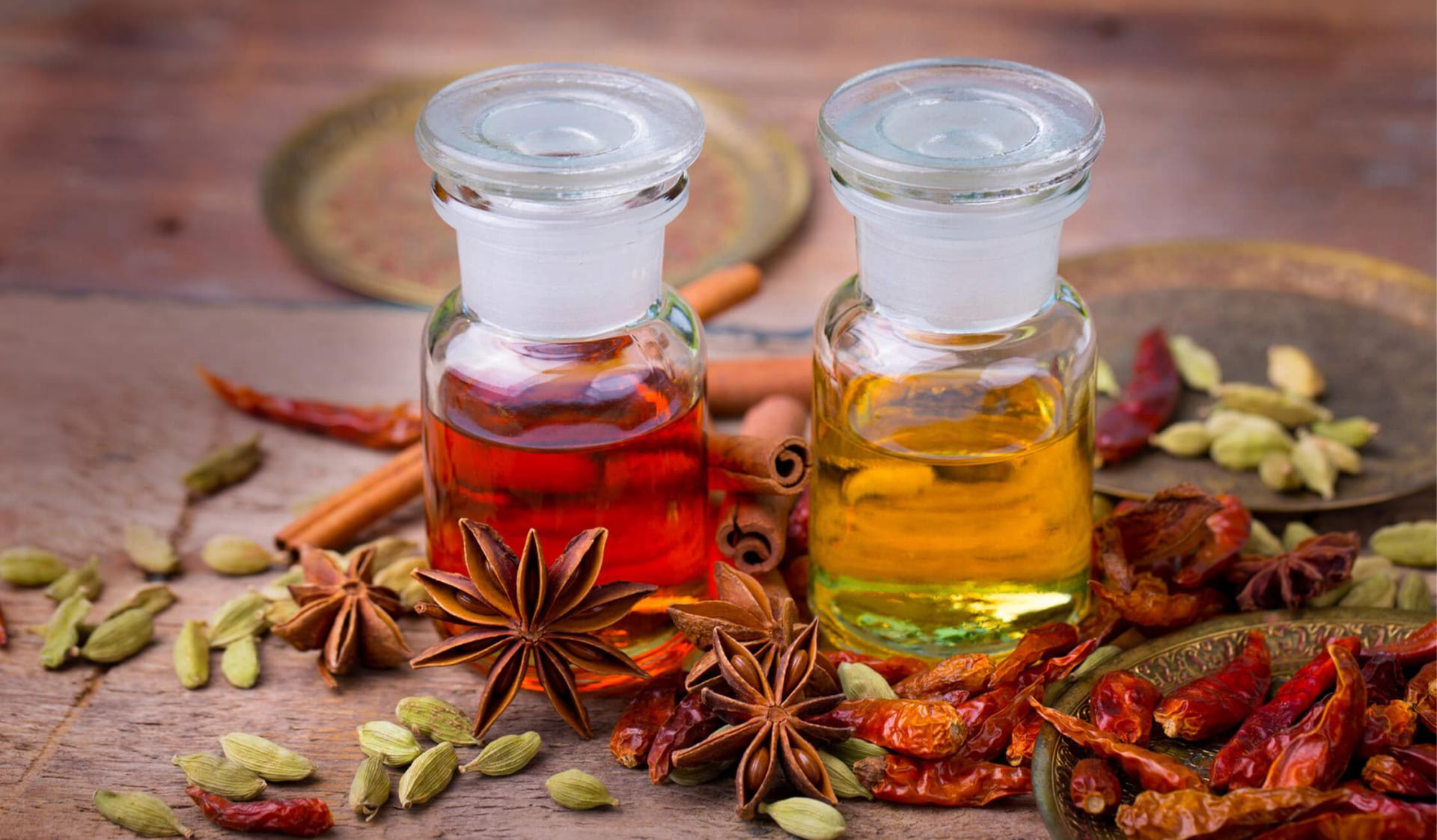
What Are Oleoresins?
Oleoresins are concentrated extracts obtained from spices and other botanical materials. They contain characteristic flavour and aroma compounds and, depending on the source and extraction process, may also contain natural colouring components.
Oleoresins are valued by food manufacturers because they can provide concentrated spice characteristics in a form suitable for controlled industrial formulation. Common examples include paprika oleoresin, black pepper oleoresin, ginger oleoresin, and turmeric oleoresin.
How Oleoresins Are Produced
Oleoresins are typically produced by extracting selected botanical materials using appropriate extraction processes. The resulting extract contains a combination of compounds responsible for the characteristic flavour, aroma, pungency, or colour of the source material.
The final composition can vary according to the raw material, extraction method, and processing conditions. For this reason, product specifications and analytical testing are important when choosing oleoresins for industrial applications.
Applications in Food Manufacturing
Oleoresins are used in a variety of food products, including seasoning blends, sauces, marinades, savoury snacks, soups, and selected processed food formulations.
Paprika oleoresin is commonly associated with colour applications, while black pepper and ginger oleoresins are used for their characteristic flavour profiles. The exact application depends on the product formulation, intended sensory properties, and regulatory requirements.
Advantages of Oleoresins for Manufacturers
One important advantage of oleoresins is their concentrated nature, which can help manufacturers achieve consistent flavour or colour characteristics when the product is properly specified and dosed.
They can also support standardized formulation processes and may offer handling advantages compared with some forms of raw spice material. Their suitability depends on the food application, solubility requirements, dosage, and processing conditions.
Quality Control and Product Selection
Food manufacturers should assess oleoresins based on parameters relevant to their intended use. These may include flavour profile, colour strength, active constituents, purity, microbiological specifications, and compliance with applicable food regulations.
Packaging and storage are also important because temperature, light, oxygen exposure, and handling conditions can influence product stability. Buyers should review technical specifications and certificates of analysis where applicable.
The Role of a Reliable Oleoresin Supplier
A reliable supplier helps manufacturers obtain ingredients with clear specifications and dependable supply arrangements. Consistent communication, product documentation, and appropriate packaging can support efficient procurement and production planning.
Shri Bhagat Arochem Private Limited supplies oleoresins and other specialty ingredients for businesses looking for botanical raw materials. Its broader product portfolio supports customers exploring ingredients for food, fragrance, personal care, and related industrial applications.
Conclusion
Oleoresins are valuable ingredients in modern food manufacturing because they provide concentrated spice characteristics for a variety of formulations. By understanding their applications, quality parameters, and storage requirements, businesses can make more effective ingredient sourcing decisions.